
24M +
People
Reached
Individuals reached through CPAR-supported programs and initiatives.
20K +
Healthcare Professionals Trained
Physicians, nurses, midwives, community health workers, and other frontline providers trained to deliver essential health services.
390 +
Health Facilities Strengthened
Health facilities supported through training, equipment, infrastructure improvements, technical assistance, and health systems strengthening initiatives.
110K +
Children and
Adolescents Engaged
Young people participating in education, life-skills, hygiene, environmental, and school-based development initiatives.
2.2K +
Water Sources
Improved
Community water sources constructed or rehabilitated to improve access to safe water.
12K +
Sanitation
Facilities Improved
School, household, and community sanitation facilities constructed or rehabilitated.
18K +
Handwashing Facilities Installed
Handwashing stations established or improved in schools, health facilities, and communities.
76M +
Trees
Planted
Trees planted through community-led environmental restoration and climate resilience initiatives.
.jpg)
Healthy Mothers, Healthy Babies (ANC–SRHR)
Project Overview
Location: Tanzania
Timeline: 2024 – 2027
Partner(s): Government of Tanzania (Ministry of Health), local organizations
Funding Partner: Global Affairs Canada
Focus Areas
-
Maternal and newborn health
-
Antenatal care (ANC)
-
Sexual and reproductive health and rights (SRHR)
-
Health systems strengthening
-
Gender-responsive care
Project Summary
The Healthy Mothers, Healthy Babies project supports efforts to improve access to antenatal and maternal healthcare services for women and girls in underserved communities in Tanzania.
Working with local health systems and community partners, the project combines health worker training, portable ultrasound technology, community outreach, and systems strengthening to support earlier identification of pregnancy-related complications and improve access to maternal healthcare services.
The project also promotes greater awareness of maternal and reproductive health and supports more gender-responsive approaches to care.
Why It Matters
Many women in rural Tanzania face significant barriers to accessing timely maternal healthcare, including long travel distances, limited diagnostic services, shortages of trained health workers, and social barriers that delay care-seeking.
These challenges can lead to preventable complications during pregnancy and childbirth for both mothers and newborns.
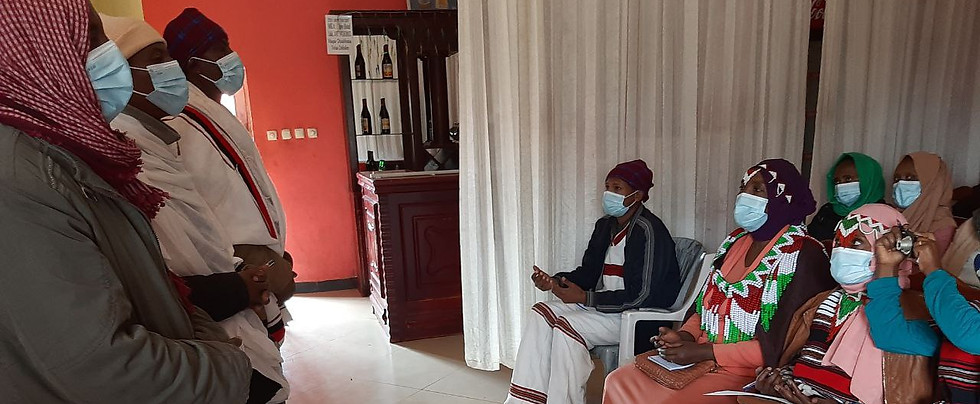
Enhancing Sexual and Reproductive Health for Women and Adolescents (ESWA)
Location: Amhara and Oromia Regions, Ethiopia
Timeline: 2019–2025
Funding Partner: Global Affairs Canada
Partners: Government of Ethiopia and local stakeholders
Project Overview
The Enhancing Sexual and Reproductive Health for Women and Adolescents (ESWA) project works to improve access to sexual and reproductive health services, education, and rights for women and young people in rural Ethiopia.
By strengthening health systems, expanding SRHR education, and addressing harmful gender norms, the project helps build healthier, more equitable communities where women and adolescents can make informed decisions about their health and futures.
Why It Matters
Many women and adolescents in rural Ethiopia face barriers to accessing sexual and reproductive health services, including limited healthcare access, child marriage, early pregnancy, and gender inequality.
ESWA addresses these challenges through a comprehensive approach that combines healthcare, education, youth engagement, and community awareness.
Healthy Mothers, Healthy Babies
Key Activities
-
56 health facilities strengthened to provide SRHR services
-
800,000+ family planning visits supported
-
400+ health personnel trained in SRHR service delivery
-
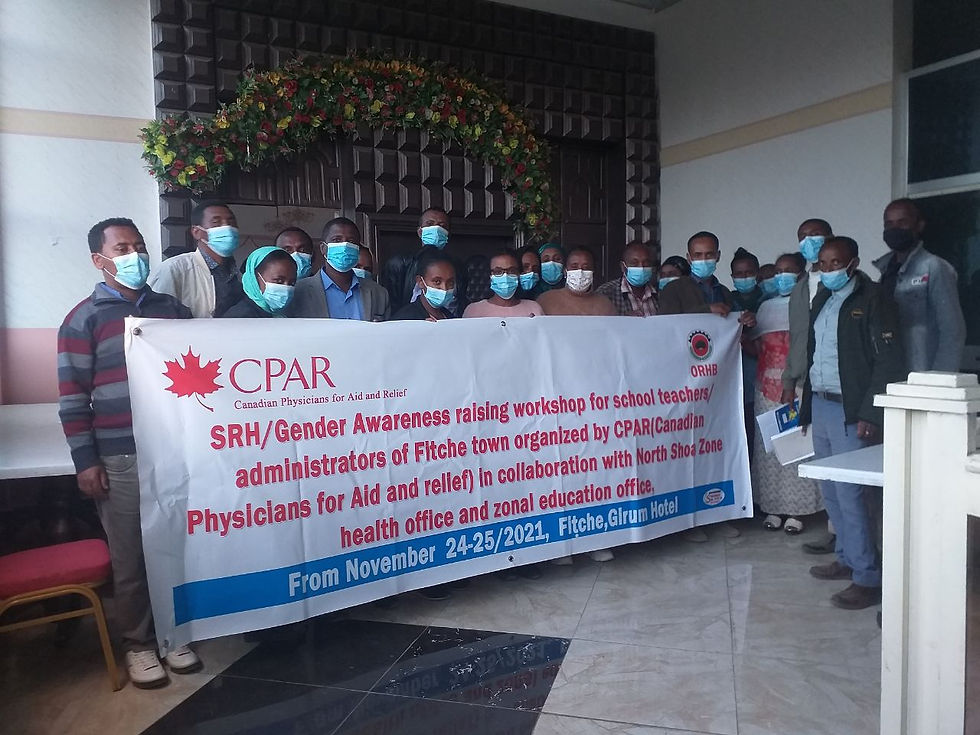
900+ teachers and school administrators trained in SRHR education
-
Youth advisory groups and peer education programs established across project communities
24 Million+
People Reached
Individuals reached through CPAR-supported programs and initiatives.
20,000+
Healthcare Professionals Trained
Physicians, nurses, midwives, community health workers, and other frontline providers trained to deliver essential health services.
390+
Health Facilities Strengthened
Health facilities supported through training, equipment, infrastructure improvements, technical assistance, and health systems strengthening initiatives.
110,000+
Children and Adolescents Engaged
Young people participating in education, life-skills, hygiene, environmental, and school-based development initiatives.
2,200+
Water Sources Improved
Community water sources constructed or rehabilitated to improve access to safe water.
12,000+
Sanitation Facilities Improved
School, household, and community sanitation facilities constructed or rehabilitated.
18,000+
Handwashing Facilities Installed
Handwashing stations established or improved in schools, health facilities, and communities.
76 Million+
Trees Planted
Trees planted through community-led environmental restoration and climate resilience initiatives.
How We
Measure Results
.jpg)

CPAR uses project monitoring systems, partner reporting, evaluations, and field data to track progress and inform decision-making.
Unless otherwise noted, the figures presented above represent cumulative results from CPAR-supported programs since 1984.

.jpg)
Lasting Impact
The project is helping to:
-
Expand access to adolescent-friendly and gender-responsive healthcare
-
Strengthen local health systems and frontline health worker capacity
-
Increase awareness of sexual and reproductive health and rights
-
Reduce barriers related to child marriage, early pregnancy, and gender inequality
-
Empower young people to play an active role in their health and communities

Looking Ahead
CPAR and its partners will continue working with local health authorities and communities to strengthen maternal healthcare services and support sustainable, locally led approaches that improve health outcomes for mothers and newborns.
.jpg)
Looking Ahead
CPAR and its partners will continue working with local health authorities and communities to strengthen maternal healthcare services and support sustainable, locally led approaches that improve health outcomes for mothers and newborns.